

Fleet vehicles keep businesses moving in ways most people never see, and for years that work happened quietly in the background.
That’s changing. Organizations are starting to see how much fleet touches and how much its leaders contribute, and the skills it takes to lead fleet are evolving with the role.
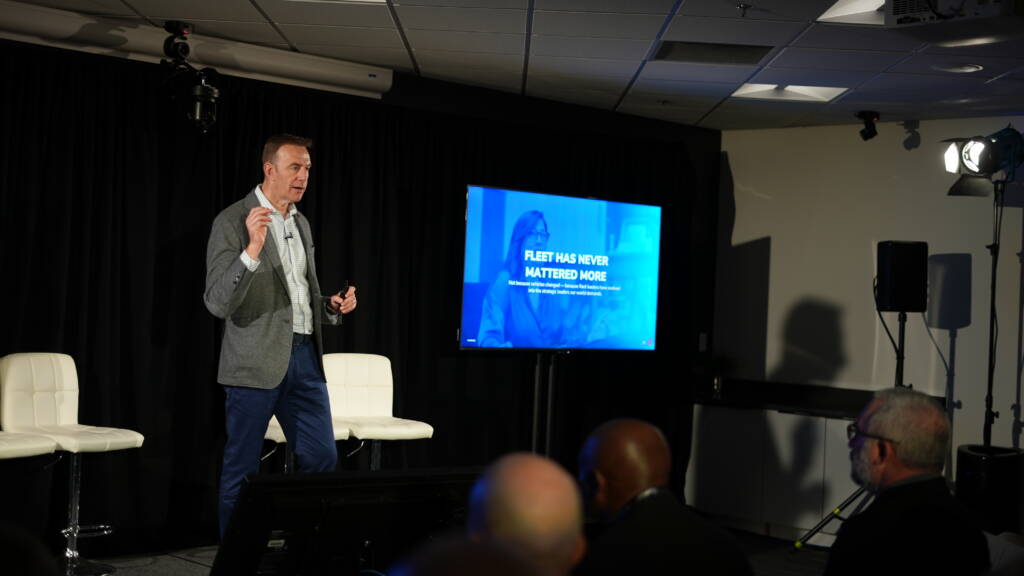
“Fleet is not simply supporting the business anymore,” said Matt Dyer, President & CEO of Merchants Fleet. “It is helping shape it.”
How Far Fleet Reaches
Trace a single fleet decision through an organization and you’ll see how far it reaches.
It starts with business continuity, keeping crews moving when supply chains tighten or a vehicle goes down. It reaches into capital and cost efficiency through decisions about leasing, financing and when to buy. And it drives productivity, uptime and utilization: the right vehicle, properly upfitted and maintained, means more hours on the job and fewer on the side of the road.
It shapes the customer experience, because the vehicle in the driveway is often the first and most frequent impression a customer has of a brand. It protects people through driver safety, it advances sustainability goals forward through EV adoption and smarter routing, and produces data and analytics that help the whole organization make better decisions.
Put together, fleet has become an intelligence hub where vehicle data, technology, capital planning and workforce performance come together.
Why Fleet Is Getting More Attention
Three shifts are putting fleet on leadership’s radar.
- Volatility. COVID, OEM production cuts, inflation, tariffs and, right now, elevated fuel costs have made fleet costs harder to predict and fleet decisions more consequential for the budget.
- Data. Connected vehicle data paired with financial data shows where downtime starts, which vehicles underperform and what a decision will actually cost.
- Margin pressure. Every function is expected to show what it contributes to the business. As one of the largest assets many organizations manage, fleet is part of that conversation.
Much of this sits outside fleet’s control, yet fleet leaders are expected to manage through it.
“Fleet leaders have become the shock absorbers for the entire business,” Dyer said.
That vantage point is pulling fleet leaders into decisions about where the business goes next.
What it Takes to Lead Fleet Today
The new fleet leader is as comfortable in a budget review as in the service bay. Here’s what sets them apart.
- They speak the language of the business. They understand operations, finance, technology, data, procurement and risk, and they can make the case for fleet in terms other leaders care about.
- They build business cases, not just budgets. Instead of defending costs, they show what a fleet decision will return.
- They plan for several possible futures. Rather than waiting for certainty, they prepare for a range of outcomes so the business can move quickly when conditions change.
- They measure what the fleet makes possible. Revenue growth, uptime, utilization, productivity and driver safety count as much as cost efficiency.
“The best fleet leaders I meet today aren’t asking how do I cut another two percent,” Dyer said. “They’re asking how does fleet help us grow.”
Read more: Matt Dyer, Merchants Fleet: “Fleet is no longer a cost centre but a growth engine”
The Value of Partnership
Partnership is part of the job, too, both inside the organization and outside it.
Inside the organization, today’s fleet leader works alongside the COO, CFO, CIO, HR and field leaders. Dyer calls it building a fleet situation room: bringing those leaders to the table instead of working around them.
Because most of the people fleet depends on don’t report to fleet, an internal champion such as the COO, CFO or head of field operations can be a fleet leader’s most valuable ally, and the best place to start is an outcome the C-suite already cares about.
Outside the organization, OEMs, dealers, upfitters and fleet management partners round out the circle, and fleet leaders decide what to own themselves and what to lean on partners for.
The new fleet leader doesn’t need another vendor filling orders. They need partners who understand the business behind the fleet and help turn moving pieces into confident decisions.
The Opportunity For Fleet Leaders
For many fleet teams, none of this is new. They’ve kept crews on the road, managed costs and absorbed disruption for years as the U.S. fleet ecosystem has grown. Now the rest of the organization is taking notice, opening the door to a bigger role.
The next 10 years will raise the stakes again as the fleet management market grows, autonomous vehicles enter fleets and AI changes how fleets are planned and run. Leaders who see fleet through the lens of the whole business will be best positioned to lead that change.